
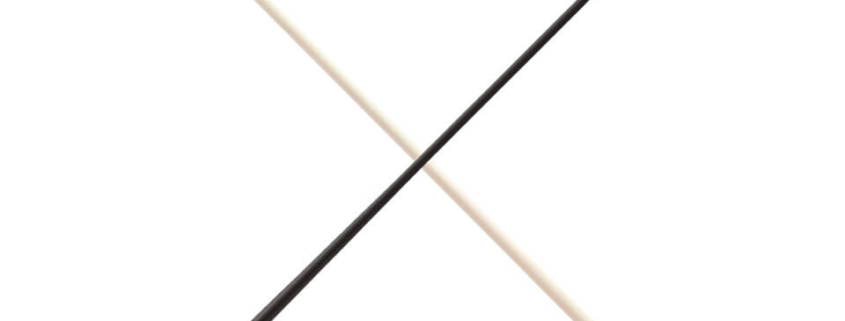
Pool cue shafts: Wood vs. Carbon Fiber
Pool Cue Shafts: Wood vs. Carbon Fiber
When it comes to choosing the perfect pool cue, one of the most important decisions is selecting the material of the cue shaft. The shaft is the part of the cue that connects to the tip and is responsible for transferring the energy from the player’s stroke to the cue ball. For years, wood has been the traditional choice for cue shafts, but in recent years, carbon fiber has emerged as a strong contender, offering a range of benefits that have caught the attention of serious pool players. In this blog, we’ll compare the two materials—wood and carbon fiber—looking at their performance, durability, cost, and overall playability.
The Traditional Choice: Wood Pool Cue Shafts
Wood has been the go-to material for pool cue shafts for centuries. Its natural properties make it a great option for players who want a consistent, responsive playing experience. The most common types of wood used for cue shafts are maple, ash, and rosewood. Each of these woods offers unique characteristics that cater to different styles of play.
Characteristics of Wood Pool Cue Shafts
- Feel and Feedback
- One of the main reasons why wood is favored by many players is the natural feel it provides. When you strike the cue ball, you can often feel the “feedback” of the shot through the cue. This is the tactile sensation of the cue shaft bending slightly upon impact and then returning to its original shape. The flexibility and natural grain of the wood allow for this feedback, which helps experienced players make subtle adjustments to their shot.
- Customization and Tapering
- Wood is a versatile material, and cue manufacturers can easily customize it to create a range of tapers. The taper refers to the gradual thinning of the shaft from the joint to the tip. A proper taper is critical for a smooth and accurate shot. Wood allows for precise shaping and customization, enabling players to choose a shaft with the ideal taper for their style of play. Whether a player prefers a stiff shaft or one with a more flexible feel, wood can be tailored to suit their preferences.
- Aesthetics
- Wood has a natural beauty that is difficult to replicate with synthetic materials. The unique grain patterns, colors, and textures of different types of wood make each cue shaft one-of-a-kind. Many players appreciate the aesthetic appeal of a well-crafted wooden cue, and some even view their cues as collector’s items.
- Tradition
- For many pool players, wood is synonymous with tradition. It’s the material of choice that has been used in the game for centuries, and for good reason. The feel, response, and aesthetics of a wooden shaft are tied to the legacy of the game, and many players feel a deep connection to that history.
Drawbacks of Wood Pool Cue Shafts
While wood offers many advantages, it does come with its own set of challenges.
- Warping
- One of the biggest downsides to wooden cue shafts is their susceptibility to warping. Wood is an organic material that can be affected by changes in temperature and humidity. If a wooden cue is not properly stored or maintained, it can warp over time, affecting the accuracy and playability of the shaft. Warping is especially problematic for players who are serious about their game and need consistency in their equipment.
- Durability
- While wood is generally strong, it is not as durable as synthetic materials like carbon fiber. A wooden shaft can crack or splinter if subjected to excessive force or impact. Over time, the wood can also become worn and lose its ability to retain its original shape, which can negatively affect performance.
- Maintenance
- Wooden cue shafts require more maintenance compared to their carbon fiber counterparts. Regular cleaning and polishing are necessary to keep the wood in good condition. Additionally, the wood may need to be refinished periodically to maintain its smooth surface and aesthetic appeal.
The New Contender: Carbon Fiber Pool Cue Shafts
In recent years, carbon fiber has emerged as a popular alternative to wood for pool cue shafts. Carbon fiber is a synthetic material made from thin strands of carbon atoms that are tightly woven together to form a strong and lightweight structure. It is widely used in industries like aerospace and automotive engineering for its high strength-to-weight ratio. In the world of pool cues, carbon fiber is praised for its durability, consistency, and low-maintenance characteristics.
Characteristics of Carbon Fiber Pool Cue Shafts
- Durability
- One of the standout features of carbon fiber cue shafts is their exceptional durability. Unlike wood, carbon fiber is not susceptible to warping, cracking, or splintering. It is highly resistant to environmental factors such as humidity and temperature changes, meaning that a carbon fiber shaft can maintain its shape and performance over time, even with minimal maintenance.
- Consistency
- Carbon fiber is a homogeneous material, meaning that its properties are uniform throughout the shaft. This consistency leads to a more predictable performance, as players can rely on the shaft to behave the same way shot after shot. In contrast, wooden shafts may have slight variations in grain or structure that can lead to inconsistencies in performance.
- Low Maintenance
- Carbon fiber shafts require very little maintenance compared to wood. They do not need to be polished or refinished, and they are easy to clean. A simple wipe-down after each session is usually enough to keep the shaft in good condition. This makes carbon fiber an attractive option for players who want to spend more time playing and less time maintaining their equipment.
- Lightweight and Stiff
- Carbon fiber shafts are typically lighter than wood, which can appeal to players who prefer a lighter cue. In addition, carbon fiber shafts tend to be stiffer than wooden shafts. This stiffness can be advantageous for players who want to achieve a more direct and controlled shot, as there is less flex in the shaft when striking the cue ball.
- No Warping or Cracking
- One of the most significant advantages of carbon fiber is its resistance to warping or cracking. Unlike wood, carbon fiber is not affected by moisture or temperature changes. As a result, players can rely on the shaft’s performance without having to worry about environmental factors causing damage.
Drawbacks of Carbon Fiber Pool Cue Shafts
- Lack of Feel
- One of the most frequently cited drawbacks of carbon fiber shafts is that they tend to lack the natural “feel” that wooden shafts provide. Many players feel that carbon fiber lacks the subtle feedback that allows them to make fine adjustments during a shot. This can be a deal-breaker for traditionalists who value the tactile connection they have with a wooden shaft.
- Price
- While the prices of carbon fiber cue shafts have come down in recent years, they are still typically more expensive than their wooden counterparts. This is due to the advanced manufacturing processes and materials used to create carbon fiber shafts. For players on a budget, the higher cost of a carbon fiber shaft may be a significant consideration.
- Aesthetics
- While carbon fiber has a sleek and modern appearance, it does not offer the same natural beauty as wood. The smooth, synthetic look of a carbon fiber shaft may not appeal to players who appreciate the unique grain patterns and textures of wooden cues. For some, the aesthetics of a cue are just as important as its performance, and carbon fiber may not have the same visual appeal as wood.
- Stiffness Can Be a Downside
- While the stiffness of a carbon fiber shaft can provide more control, it can also be a drawback for some players. Players who prefer a more flexible shaft may find carbon fiber to be too rigid for their style of play. The lack of flex can reduce the ability to generate spin or “English” on the ball, which can limit the player’s options during gameplay.
Performance Comparison: Wood vs. Carbon Fiber
When it comes to performance, both wood and carbon fiber have their advantages and disadvantages. The choice between the two largely depends on the player’s personal preferences and playing style.
- Wood provides a more traditional feel with greater feedback and flexibility. It allows for a more personalized playing experience, especially for players who enjoy customizing their cues. However, it is susceptible to warping, requires more maintenance, and may not provide the same level of consistency as carbon fiber.
- Carbon Fiber, on the other hand, offers superior durability, consistency, and low maintenance. It is ideal for players who value reliability and performance, especially in terms of control and precision. However, it may lack the feel and flexibility that some players prefer, and the higher price point can be a deterrent for budget-conscious players.
Conclusion: Which Is Right for You?
Choosing between a wood or carbon fiber cue shaft ultimately depends on your preferences as a player. If you’re a traditionalist who values the feel, feedback, and aesthetic beauty of a well-crafted wooden cue, then wood may be the better choice for you. On the other hand, if you prioritize durability, consistency, and low maintenance, carbon fiber could be the ideal option.
Ultimately, the best way to decide is to try both materials and see which one suits your playing style and personal preferences. Regardless of which material you choose, both wood and carbon fiber can offer a high-quality playing experience—it’s just a matter of finding the right balance for your game.
Visit our online store and view our vast selection of both wood and carbon fiber shafts and cues